

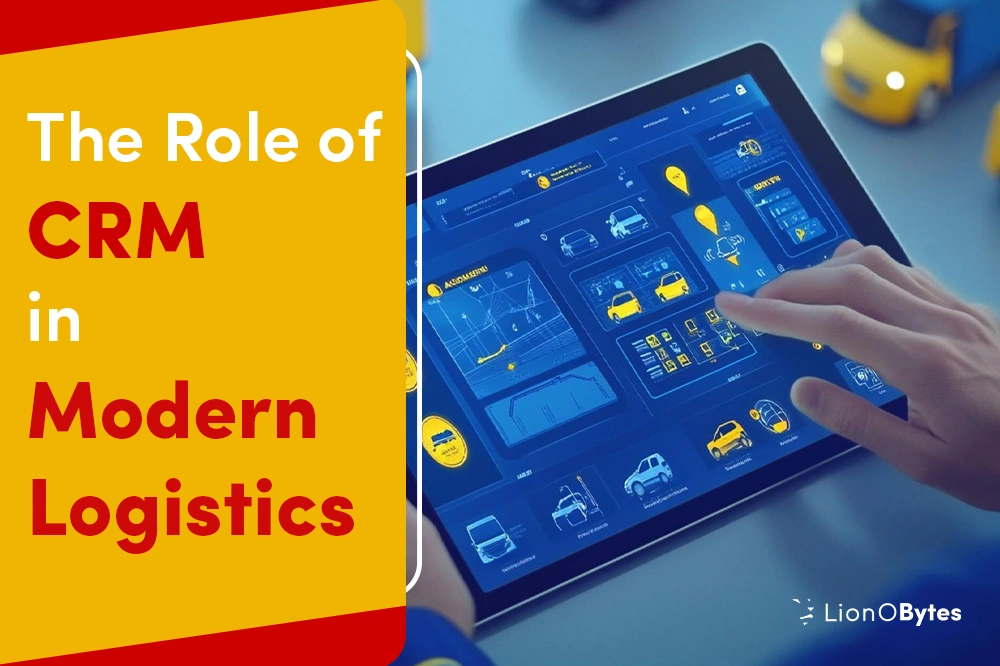
Many might think of CRM as just a tool for sales or marketing, but for logistics and transportation, it is much more than that. It is an essential part of running a successful business in this fast-moving industry.
What Is CRM and Why Does It Matter?
Let’s start with what is CRM? It is a system that helps manage all interactions with customers in one place. It keeps track of conversations, orders, deliveries, and customer preferences. For the logistics and transportation sector, CRM acts like a digital brain that organizes all the important information. It makes it easier to communicate with clients, plan routes, and solve problems quickly.
Why Logistics Companies Need CRM Today
Imagine trying to coordinate hundreds of deliveries without any organized system. It would be chaotic! With CRM, everything becomes clearer. You know who your customers are, what they need, and when their shipments are due. This reduces mistakes and saves time. Let’s explore the benefits!
Better Customer Service
One of the main reasons why CRM is so important is that it improves customer service. Customers want their shipments to arrive on time and in good condition. If a company has a good CRM system, it can respond faster to customer questions or issues. It remembers customer preferences and previous orders, making communication smoother.
When customers feel valued and well taken care of, they are more likely to stay loyal. CRM helps logistics companies build strong relationships by providing personalized services. For example, if a customer always prefers a certain delivery time, the CRM can remind the staff to prioritize those requests.
Enhanced Planning and Efficiency
Efficiency is vital in logistics. The faster and more accurately a company can plan routes and assign deliveries, the better it is for business. CRM systems can analyze data to suggest the best routes, identify potential delays, and help avoid traffic or weather problems.
Moreover, CRM integrates with other tools like GPS and fleet management software. This means you can see real-time information about your trucks, deliveries, and drivers all in one place. It helps managers make quick decisions and keep everything running smoothly.
Streamlining Communication
Clear communication is key to logistics. Customers want updates about their shipments; drivers need instructions, and managers need to monitor progress. With CRM, all these communications are stored and accessible.
For example, if a customer calls with a question, the agent can immediately see the shipment details and provide accurate answers. This reduces confusion and improves trust. It also helps teams stay coordinated, especially when working across different locations.
Better Data Management
Data is the backbone of any successful business. In logistics, there is a lot of data to handle: customer details, delivery schedules, vehicle information, invoices, and more. Without a proper system, this data can become scattered and hard to find.
CRM keeps all document management organized and easy to access. This makes reporting, analysis, and decision-making much simpler. You can see which routes are most profitable, which customers order the most, and where improvements are needed.
Cost Savings
Using CRM can also save money. By optimizing routes, reducing missed deliveries, and improving customer retention, companies can lower costs. It also helps prevent mistakes that can lead to fines or delays.
Furthermore, CRM reduces the need for manual paperwork and phone calls. Automating routine tasks frees up staff to focus on more important work, increasing overall productivity.
Simplifying Logistics with LionO360 CRM

If you want a CRM that genuinely understands the needs of your logistics or transportation business, then go for LionO360 CRM; it is a great choice. It is designed specifically to help companies in this sector grow and succeed.
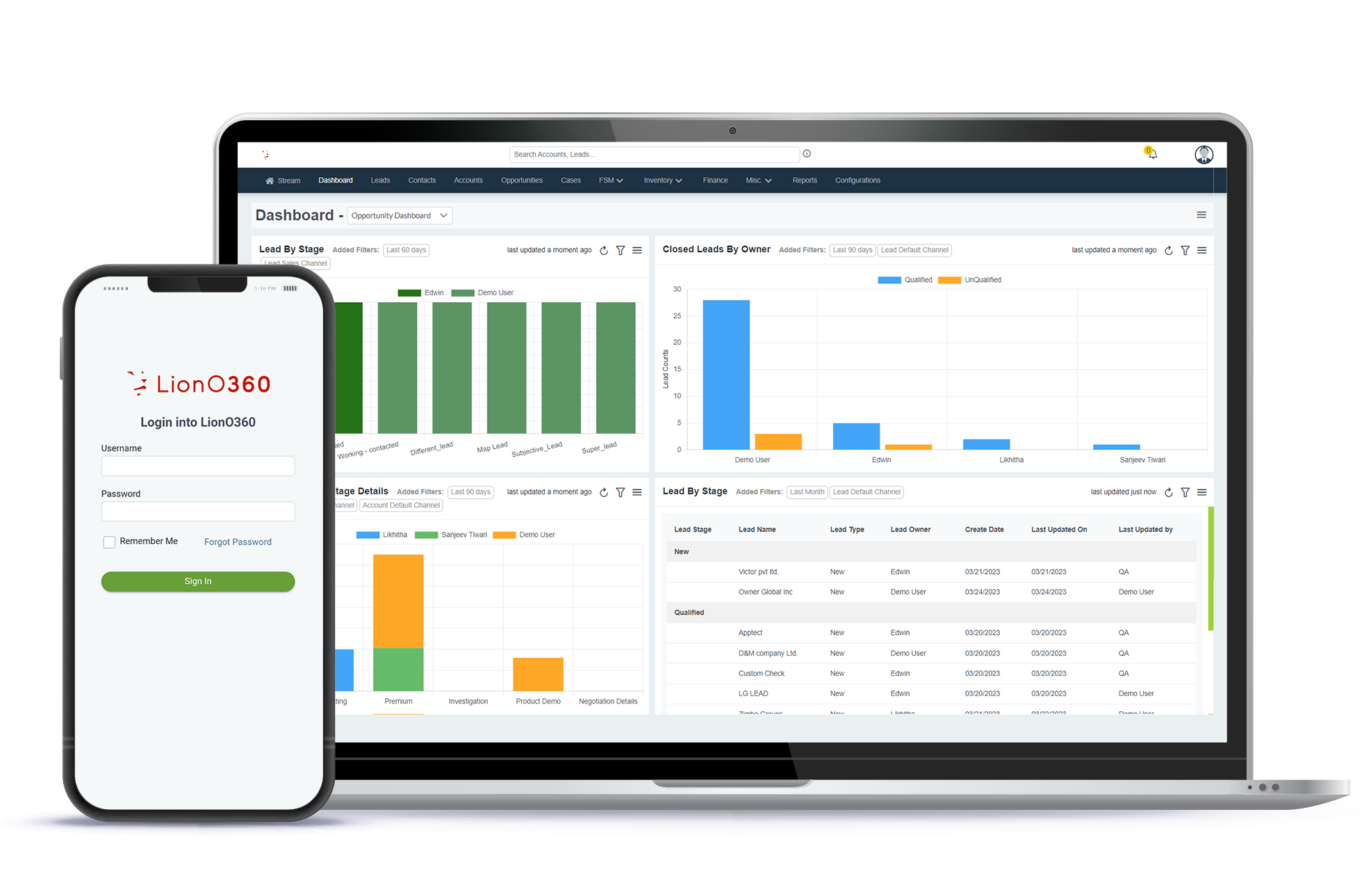
LionO360 CRM offers real-time tracking, chat automation and alerts, reports & insights, and seamless integration with other tools. It helps you manage customer relationships, plan routes better, and keep everyone on the same page. With LionO360, you can deliver better service, reduce costs, and stay ahead of your competition.
Go for LionO360 CRM now. Try our free CRM demo to know how this powerful tool can transform your logistics and transportation business.
Frequently Asked Questions
How does CRM improve customer service in logistics?
CRM helps keep track of customer preferences, delivery history, and communication.
Is LionO360 CRM easy to use for a small transportation company?
Yes. LionO360 CRM is user-friendly and scalable. Its customization is making it suitable for both small and large companies.
How does CRM help reduce costs?
By improving planning, reducing errors, and automating routine tasks, CRM helps save money and increase efficiency.