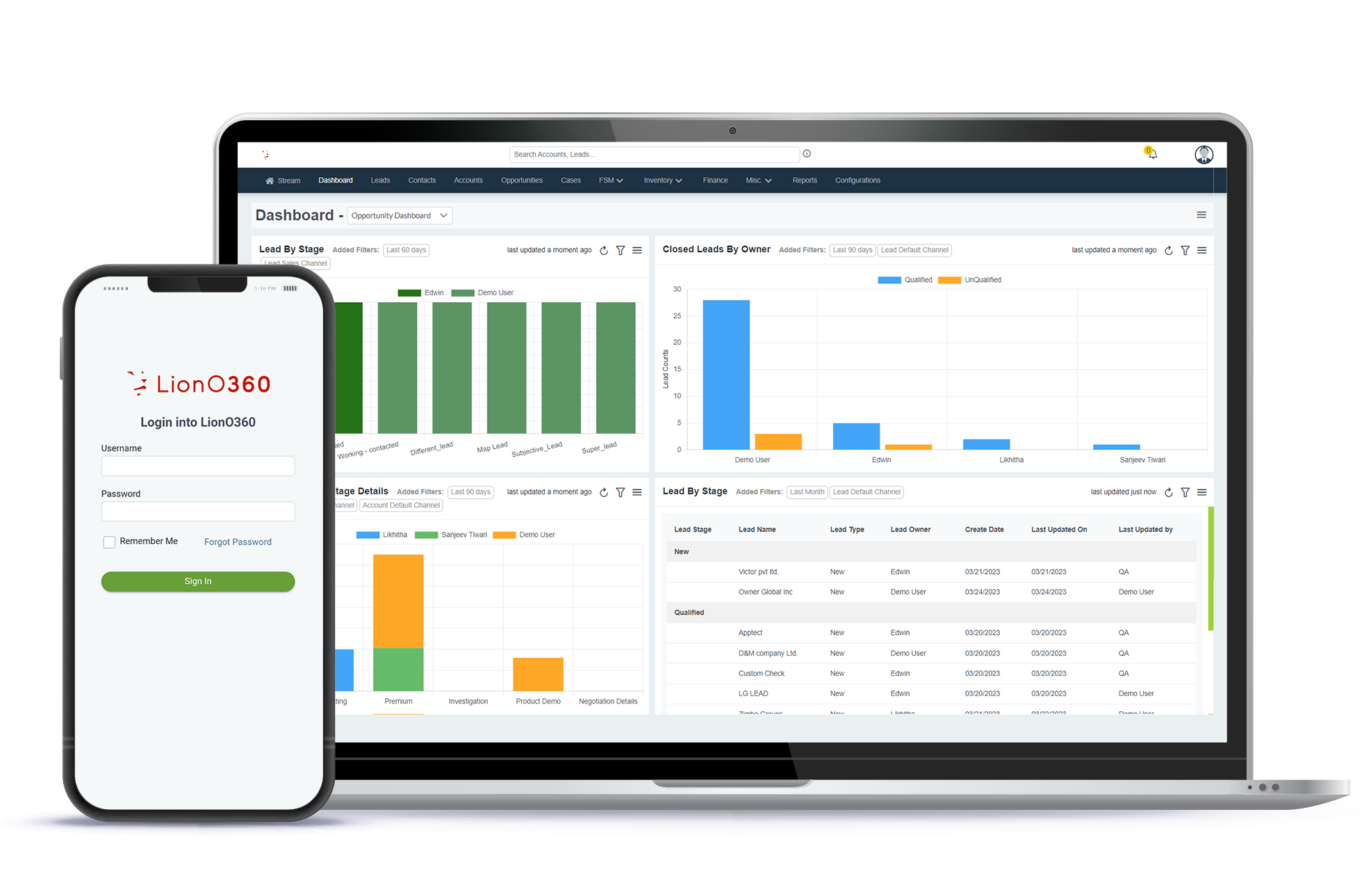


Field operations include managing logistics, utilities, work efficiency, and on-site teams. As it is the backbone of many industries, these operations are where customer promises are fulfilled and where the business truly meets the real world. Yet for years, field operations have struggled with inefficiencies, such as manual scheduling, poor communication, limited real-time visibility, and rising operational costs.
Today, businesses are turning to automation to address these challenges. The shift toward digital field service management software is not just about convenience; it is about measurable results. The return on investment (ROI) from automating field operations can be transformational by boosting productivity, cutting costs, improving customer satisfaction, and strengthening long-term profitability.
This blog explores what happens when a business automates its field operations and how the ROI unfolds and why the investment pays far beyond initial expectations.
The Problem with Traditional Field Operations
Before diving into ROI, it is important to understand the pain points that plague traditional field management. Many businesses still depend on paper-based scheduling, manual reporting, and disconnected communication channels.
The typical issues include:
- Scheduling delays that leave technicians waiting or overbooked.
- Communication gaps between office teams and field staff.
- Limited visibility into job status, parts inventory, or route tracking.
- Reactive maintenance instead of proactive planning.
- Data entry errors and delayed billing cycles.
The Shift to Automation
Automation in field operations is not about replacing people. It is about empowering them. It introduces digital systems that handle repetitive tasks, streamline workflows, and give decision-makers real-time insights.
Automation in FSM software typically includes:
- Smart scheduling and dispatching to assign the right technician to the right job.
- Mobile access for technicians to view tasks, update progress, and capture customer signatures on the go.
- Integrated inventory tracking to ensure parts and tools are always available when needed.
- Real-time communication between teams in the office and the field.
- Automated reporting and invoicing that cut down administrative time.
With these tools in place, businesses no longer rely on guesswork. They can plan, monitor, and optimize every field operation from one central system.
But how does this translate into ROI? Let us look at a practical example.
The Case Study: A Company’s Journey to Field Automation
Imagine a mid-sized service company that manages a team of technicians to spread across multiple regions. The company specializes in equipment maintenance and repair for commercial clients. Before automation, its process looked something like this:
- Dispatchers used spreadsheets and phone calls to assign jobs.
- Field technicians filled out paper forms after each visit.
- Customers received invoices days or even weeks after service.
- Managers had little visibility into job completion times or resource usage.
After evaluating the ongoing issues, the company decided to automate its field operations. Within a few months of implementation, the results began to speak for themselves.
1. Reduced Operational Costs
One of the first areas where automation delivered ROI was cost reduction. With smart scheduling and routing, the company minimized unnecessary travel time. Technicians were assigned to nearby jobs based on skill and availability, cutting fuel expenses and overtime costs.
Administrative workloads also dropped. Instead of spending hours each week entering data manually, the back-office team now relied on automated reports. Billing cycles accelerated because job data was updated instantly once a technician completed a service call.
This freed up valuable hours and allowed the company to focus on growth-oriented tasks rather than paperwork.
2. Improved Workforce Productivity
Field automation made every technician more productive. Mobile tools replaced clipboards and phone calls. Each worker could see their assigned jobs, navigate efficiently, and update task status in real time.
Instead of wasting time calling dispatchers or returning to the office for updates, technicians completed more jobs per day. They also had access to service history and asset details, reducing time spent diagnosing recurring issues.
In short, automation gave the workforce the power to perform better and faster without working harder.
3. Enhanced Customer Experience
Happy customers are the foundation of ROI. Automated field operations directly improve customer satisfaction in several ways.
First, the scheduling system allows customers to receive accurate appointment times and timely updates. If a technician is delayed or on the way, the customer knows. This transparency builds trust.
Second, jobs are completed faster and with higher accuracy because technicians have the information, they need at their fingertips. Service quality improves, repeat visits drop, and customers enjoy smoother experiences.
Finally, faster invoicing and digital payment options eliminate the lag between service delivery and billing, giving clients a sense of efficiency and professionalism.
4. Stronger Data Visibility and Decision-Making
Before automation, decisions were often based on gut feelings. FSM software had limited insight into which jobs took longer, which technicians performed best, or where resources were underutilized.
After automation, real-time dashboards offered a clear picture of every aspect of operations. Managers could identify bottlenecks, track performance metrics, and make informed adjustments instantly.
The power of visibility is one of the most underestimated aspects of automation. When decisions are based on data, waste decreases, and performance increases, both of which contribute to ROI.
5. Better Compliance and Accountability
In industries where compliance matters, automation ensures every step is documented accurately. From work orders and customer approvals to safety checks and technician credentials, every detail is captured digitally.
This not only reduces the risk of human error but also creates a transparent record that can be reviewed at any time. Accountability improves because everyone is in the process.
For management, this means fewer disputes, smoother audits, and reduced liability.
6. Scalable Operations for Growth
When a company relies on manual systems, growth becomes a challenge. Adding more customers or expanding into new territories often creates more chaos rather than more profit.
Automation changes the equation.
With digital workflows in place, scaling operations are far easier. New technicians can be onboarded faster. Job assignments can expand across multiple locations without confusion. Reports and insights help leaders plan growth strategically instead of reactively.
The system grows with the business, not against it.
7. Increased Revenue Opportunities
By automating scheduling, communication, and billing, the company could serve more customers in less time. It could also offer new services such as preventive maintenance contracts or on-demand repairs because it now had the visibility and capacity to manage them.
Moreover, automation reduced missed appointments and service delays, meaning fewer refunds and more completed jobs. The improvement in customer satisfaction led to better retention and referrals, which further boosted revenue.
8. Reduced Human Error and Rework
Manual data entry and communication are prone to mistakes. A misplaced decimal in an invoice, a missed note on a work order, or a lost paper form can cause costly delays.
Automation eliminates most of these risks. Information flows seamlessly from scheduling to dispatch to invoicing, without manual interference. Any updates made to the system reflect instantly across all departments.
9. Real-Time Performance Tracking
When field operations go digital, performance is no longer a mystery. Managers can track progress, technician productivity, and job completion rates in real time.
This allows for proactive management. If a job is running late, alerts can be sent to both the technician and the customer. If a technician consistently exceeds expectations, that data can inform performance bonuses or training models.
Continuous monitoring creates a culture of accountability and excellence, two ingredients that drive long-term profitability.
10. Employee Satisfaction and Retention
ROI also comes from happier employees. Automation takes repetitive and frustrating tasks off their plates. Instead of juggling paperwork or calling for updates, they can focus on what they do best serving customers.
Technicians appreciate having all the tools they need on their mobile devices, while back-office teams enjoy less chaos and clearer communication. When employees feel supported, they perform better and stay longer. Reduced turnover saves recruitment and training costs, adding another layer to ROI.
Simplify Field Operations with LionOBytes India

LionOBytes India revolutionizes field operations with its cutting-edge solutions designed to streamline workflows, enhance productivity, and improve customer satisfaction. Our intuitive platform empowers field teams with real-time data access, route optimization, inventory tracking, and automated reporting. Whether you're managing sales, service, or deliveries, LionOBytes ensures seamless coordination and visibility across operations. With mobile-friendly tools and robust analytics, businesses can make informed decisions, reduce operational costs, and boost efficiency.
Frequently Asked Questions
What is field service automation, and how does it empower business?
Field service automation involves implementing digital systems to handle repetitive tasks, streamline workflows, and provide real-time insights for decision-makers. It empowers teams by offering smart scheduling, mobile access for technicians, integrated inventory tracking, real-time communication, and automated reporting and invoicing. This allows businesses to plan, monitor, and optimize field operations from a central system, rather than replacing personnel.
How does field service automation contribute to a company's Return on Investment (ROI)?
Field service automation significantly boosts ROI by reducing operational costs through optimized scheduling and minimized travel, improving workforce productivity via mobile tools and real-time updates, and enhancing customer experience with accurate appointments and faster service. It also provides stronger data visibility for informed decision-making, ensures better compliance, and enables scalable operations for growth.
What specific financial benefits can a company expect from implementing automation?
Companies can expect reduced operational costs from minimized travel and administrative workloads, leading to savings on fuel expenses and overtime. Automated reporting and accelerated billing cycles also free up valuable administrative hours. Furthermore, increased revenue opportunities arise from serving more customers, reducing missed appointments, and improving customer retention and referrals due to enhanced service quality.
How does automation improve both employee and customer experience?
For employees, automation takes repetitive tasks off their plates, providing them with mobile tools to perform their jobs more efficiently and accurately, which leads to increased job satisfaction and retention. For customers, automation ensures accurate appointment times, timely updates, faster service completion, and prompt digital invoicing, all of which build trust and lead to a smoother, more professional experience.