
For growing businesses in Gurugram, managing leads efficiently has become more than just a sales task. It is now essential for growth. As more inquiries come in from websites, ads, referrals, and campaigns, sales teams often face the same question: Which leads should they focus on first?
Lead scoring and tracking help solve this problem. Rather than relying on predictive analytics or manually sorting leads, businesses can use data to decide which leads to prioritize, follow up more effectively, and close deals more quickly. This guide shows Gurugram companies how to set up lead scoring and tracking with clear, practical steps.
Understanding Lead Scoring
Lead scoring ranks prospects based on engagement and fit to improve sales efficiency. Each lead is checked against set rules that match real business actions. The main goal is simple: help sales teams focus on leads most likely to convert. Instead of handling every inquiry the same way, lead scoring brings more clarity and structure to the sales process.
Understanding Lead Tracking
Lead tracking means keeping a record every time a potential customer interacts with your business. While it helps you decide which leads to focus on, lead tracking lets you see the whole path from a lead’s first question to when they become a customer.
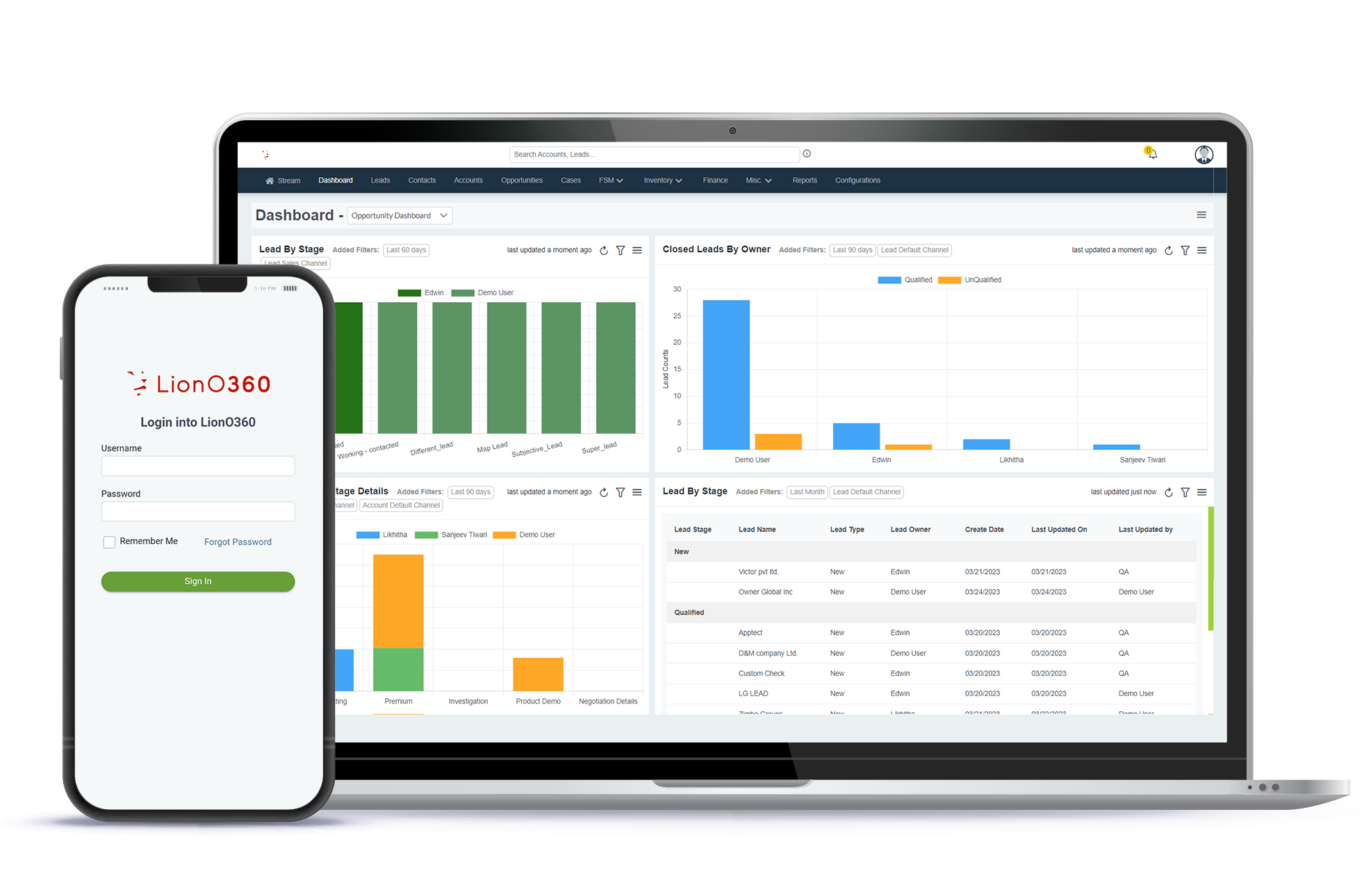
It tracks website visits, form submissions, calls, emails, WhatsApp chats, demo requests, and follow-ups. All these interactions are stored in a single lead-tracking CRM, so sales teams can easily see what has happened and what steps to take next.
Why Gurugram Businesses Need Lead Tracking
Many businesses in Gurugram handle a lot of leads from different sources. If they do not track these leads well, important details can be missed, follow-ups may be late, and potential deals can slip away.
Lead tracking helps record every interaction in one place. This way, teams can see the full path of a lead, from the first contact to closing the deal.
When businesses track leads well, they benefit in several ways:
- They can clearly see what is happening with each lead.
- They are more consistent with follow-ups.
- They miss fewer chances to close deals.
Step 1: Identify What Makes a Quality Lead
Before scoring leads, businesses need to decide what “quality” means for them. What counts as a good lead for one company might not be the same for another.
Factors such as industry, location, company size, and decision-makers are often important. Clear criteria at this stage to ensure your scoring relies on real data instead of assumptions.
Step 2: Decide the Right Scoring Signals
Good lead scoring looks at both who the lead is and what they do.
Profile-based indicators
These focus on things like:
- Business type or industry.
- Company size.
- Role or job designation.
- Location.
Behavior-based indicators
These actions show how interested and engaged someone is:
- Visit your website.
- Fill out a form.
- Interacting with your emails.
- Requesting a product or demo.
You don’t need to score every action. Pay attention to the signals that show real interest or intent to buy.
Step 3: Track Leads Through Clear Stages
Scoring shows how valuable a lead is, while tracking shows the lead’s current status.
Set up clear and consistent lead stages like these:
- New.
- Contacted.
- Not interested
- Follow-up Required.
- Converted or Closed.
This setup keeps teams on the same page and makes sure every lead gets the right attention.
Step 4: Use Automation to Maintain Consistency
As more leads come in, it becomes harder to keep track of them by hand. Automation makes it easier to stay organized without extra effort.
Platforms like LionO360 CRM let businesses automatically:
- Assign leads to the right team.
- Trigger reminders and follow-ups.
- Capture every interaction automatically.
- Maintain a complete lead timeline.
Automation helps you respond quickly to important leads and ensures other leads are followed up on the right way.
Step 5: Align Sales and Marketing Efforts
Lead scoring in LionO360 CRM is most effective when both teams work together closely. Marketing should focus on identifying leads that align with what sales is looking for, and sales should share feedback to improve the scoring process.
When sales and marketing stay in sync, it helps to:
- Find better quality leads.
- Make the sales process smoother.
- Get more out of marketing campaigns.
- Boost the number of leads that turn into customers.
Working together like this is especially important for fast-growing businesses in Gurugram.
Step 6: Review, Learn, and Improve
As your business grows, your approach to lead scoring and tracking should change, too. Reviewing your process regularly shows you what’s effective and what could use improvement.
Key performance indicators like these:
- Conversion rates for each lead category.
- How quickly you respond to leads.
- The length of your sales cycle.
- The percentage of deals you close.
Final Thoughts
In competitive markets like Gurugram, businesses need lead scoring and tracking to grow steadily. These tools help organize the sales process and make it more predictable.
When teams find the right leads, keep track of their interactions, and use automation as needed, they save time and boost conversions. Software like LionO360 CRM help by offering lead scoring, real-time tracking, and sales automation all in one place. If your sales team knows who to contact, when to follow up, and the reasons behind each step, you will see better results.
Book your free CRM demo now.
Frequently Asked Questions
What does lead scoring mean?
Lead scoring sorts leads based on their likelihood to become customers. This helps teams spend more time on the prospects most likely to buy.
Is lead scoring useful for small businesses in Gurugram?
Yes. Lead scoring lets small teams focus on the most promising leads and avoid spending time on those less likely to buy.
Can LionO360 CRM automate lead scoring and tracking?
Yes. LionO360 CRM can automatically handle lead scoring, tracking, and follow-ups in one place.